Old roots hold their shape
Bonsai bends through quiet time
Stories bloom on skin
*A haiku is a traditional Japanese poem, usually written in three short lines.
It captures a small moment in nature, but often leaves behind a much deeper feeling.
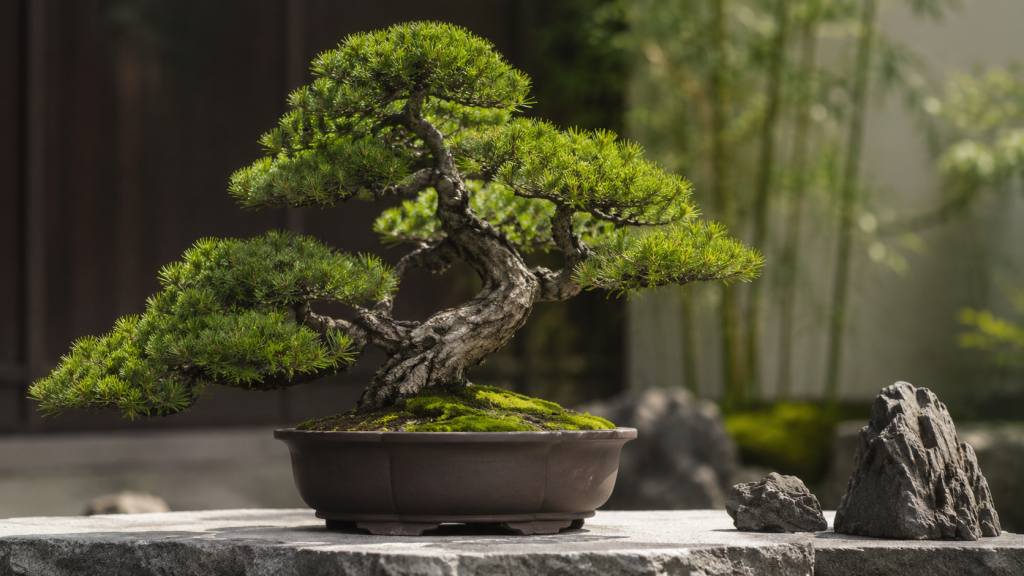
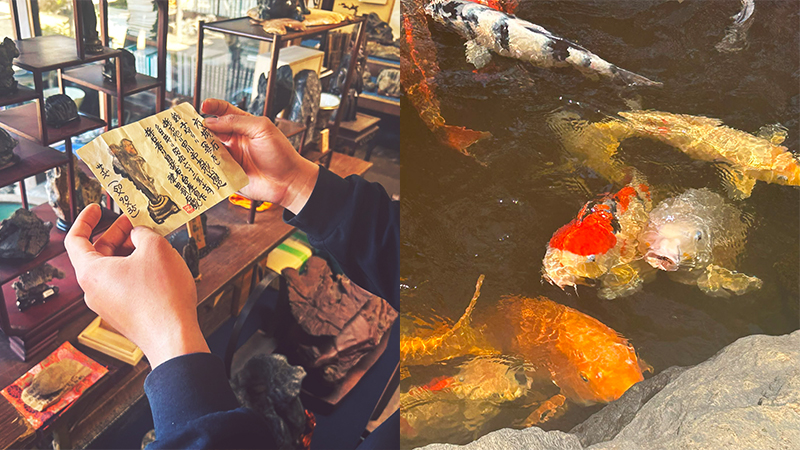
On my last trip to Japan, I visited the Tokyo Shunkaen Bonsai Museum.
Bonsai might not sound like it has anything to do with tattooing, but for me it all comes from the same place.
It is art, patience, history and craft, and that’s the side of Japan that always pulled me in.
When most people picture old Japan, they often picture the Samurai, the armor, the banners, the crests, the discipline, or for some of us, the films of Kurosawa, and the way everything has meaning nothing was just thrown together, the shape of a helmet, the pattern on a robe, the way a sword was carried it all had a beautiful stylistic purpose.
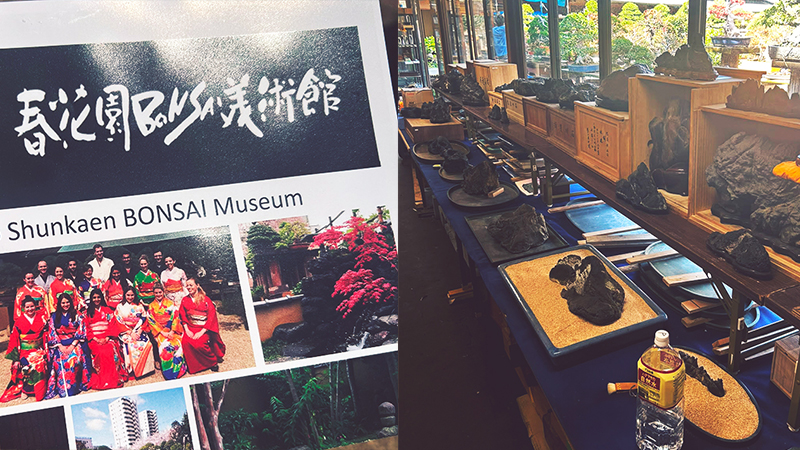
That’s something I always loved about Japanese culture, there is so much detail, and the detail matters.
Traditional Japanese tattooing has that same feeling for me. Horimono and Irezumi are not just designs placed on the body, they come from stories, folklore, warriors, spirits, animals, flowers, waves, rocks and seasons, the whole thing has a language to it, If your going to work with that style properly I feel you have to respect where it came from, it’s history and the people who created it.
A big reason I travel to Japan.
I want to see the real places, speak to people there visit the museums look at the old objects and keep learning. You can study books and images, and they are important, but there is something different about being there, you start to notice little things you would miss otherwise.
At the bonsai museum, I spoke to some of the apprentices about the history of bonsai trees and the work that goes into keeping them alive and shaping them over time. What stayed with me was the patience of it all, these trees are not rushed, they are guided slowly, a branch might be trained for years, a small cut might change the whole balance of the tree.
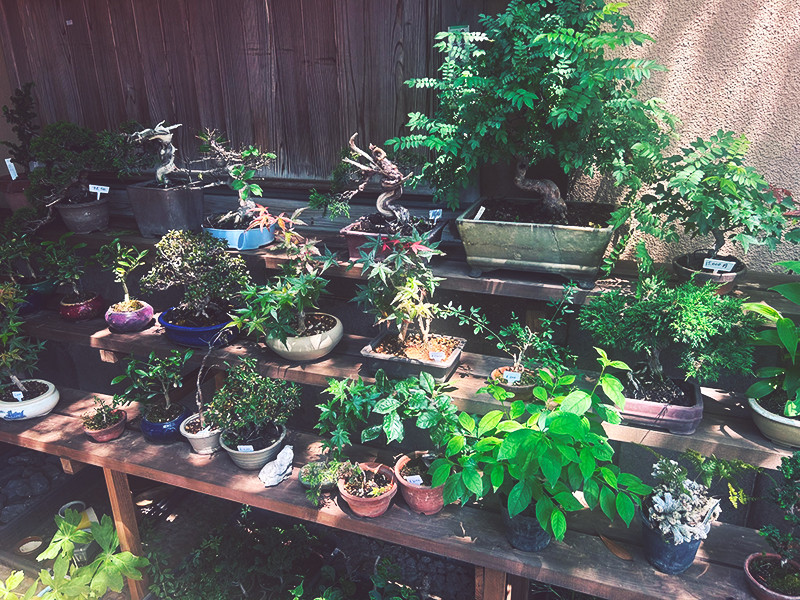
That takes real skill.
And that is where I started to see the connection, a good piece of traditional Japanese work is not rushed either. It has to sit right, It has to flow. The background, the rocks, the water, the wind bars, the flowers, the main figure everything needs to work together. If one part feels wrong, the whole piece feels wrong, there must be Yin and Yang for balance and harmony.
One of the details I looked into at the museum were the small rocks used with the Bonsai. These are often called scholar rocks. They help create a miniature landscape around the tree, they add weight, age and atmosphere. Those same types of rocks appear again and again in traditional Japanese tattoo motifs, you see them in landscapes, around water, beneath figures, beside animals, or as part of the background. They might seem like a small detail, but they help hold the whole scene together.
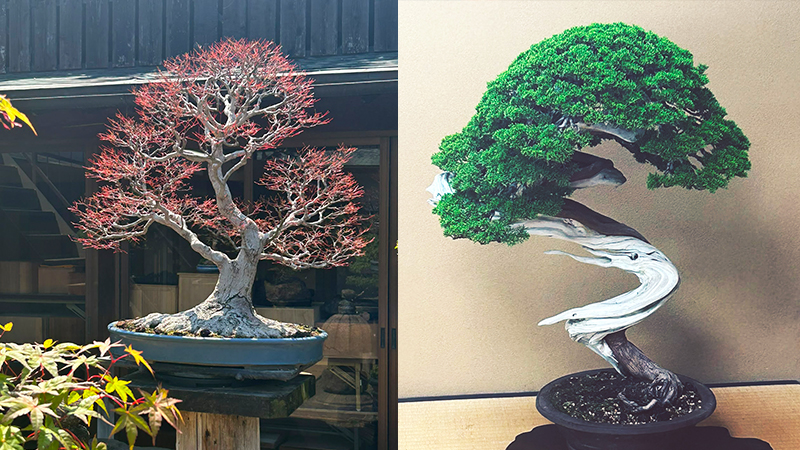
That really stood out to me.
It reminded me that Japanese art is full of these connections, Bonsai, Samurai armor, woodblock prints, temple carvings, folklore and traditional tattooing all share a certain sense of balance and storytelling, they all care about shape, movement and meaning.
For me, that is what keeps the work exciting.
As a Horishi, I never want to just copy the look of Japanese tattooing, I want to understand the culture behind it as much as I can, I want to know why certain flowers are used, why rocks are shaped a certain way, why waves move the way they do, and why a figure belongs with one background rather than another.
That is what makes the work feel honest.
Japan always gives me something to bring back, sometimes it is a big idea, sometimes it’s a small detail, like a rock beside a Bonsai tree, but those details stay with me, and they feed back into the work and art I create.
That is why I keep going back.
It is not just about tattooing for me, it’s about the art, the history, the discipline and the craft behind it.
Chris.
Horimono #Irezumi #TraditionalJapaneseTattooing #JapaneseTattooing #JapaneseTattoo #MasterTattooist #JapaneseArt #JapaneseCulture #bonsai #Samurai #Kurosawa #Ukiyoe #WoodblockPrints #TattooHistory #LeedsTattooStudio #TattooStudioLeeds